Markets, Incentives, and the Price of Everything
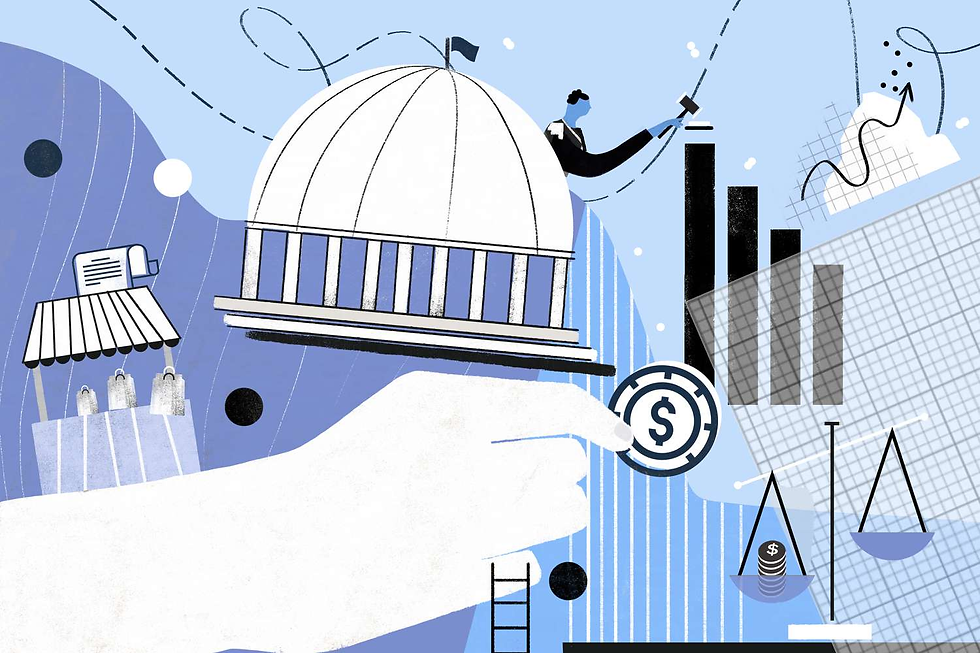
Markets are powerful tools for coordinating human activity and allocating resources. But they only work when prices reflect actual costs. Right now, they don't.
When a company emits carbon, someone else pays for the climate impacts. When industrial runoff pollutes a river, downstream communities bear the cost. When unsustainable practices deplete resources, future generations inherit the scarcity. Economists call these externalities—costs imposed on others that don't show up in market prices.
Externalities create a distortion. They make unsustainable practices appear cheaper than they really are and sustainable alternatives appear more expensive. It's like shopping with price tags that only show half the cost. You'll make different choices than if you saw the full price.
Getting prices right is central to sustainable economics. Carbon pricing through taxes or cap-and-trade systems makes emitters pay for their climate impact. Extended producer responsibility makes manufacturers accountable for the full lifecycle of their products. Water pricing that reflects scarcity encourages conservation. These mechanisms don't eliminate markets—they fix them.
But pricing alone isn't enough. Some things markets handle poorly. Public goods like clean air benefit everyone, so no individual company has an incentive to provide them. Common pool resources like fisheries face tragedy-of-the-commons dynamics where individual self-interest leads to collective ruin. Long-term investments in resilience compete with short-term profit pressure.
This is where smart regulation and public investment come in. Efficiency standards drive innovation while ensuring a level playing field. Public research and development reduce the cost of clean technologies. Infrastructure investments in public transit, renewable energy, and water systems create foundations for sustainable growth. Strategic industrial policy can accelerate transitions that markets would take decades to achieve.
The most powerful approach combines market mechanisms with strategic public action. Carbon pricing creates broad incentives to reduce emissions while clean energy subsidies accelerate alternatives. Pollution taxes discourage waste while infrastructure investment makes clean options accessible. Performance standards set baselines while market competition drives continuous improvement.
Consider renewable energy. Government support through research funding, tax credits, and renewable portfolio standards helped drive down costs. As solar and wind became competitive, market forces took over, accelerating deployment. Today, renewables are often the cheapest power source, and private investment flows accordingly. Smart policy created the conditions for markets to work.
The economics of sustainability requires both fixing market failures and recognizing market limits. We need prices that tell the truth and institutions that steer toward long-term flourishing. Neither markets nor governments can do this alone—but together, they can create an economy that works within ecological and social boundaries.



Comments