Stadium Construction's Ecological Footprint

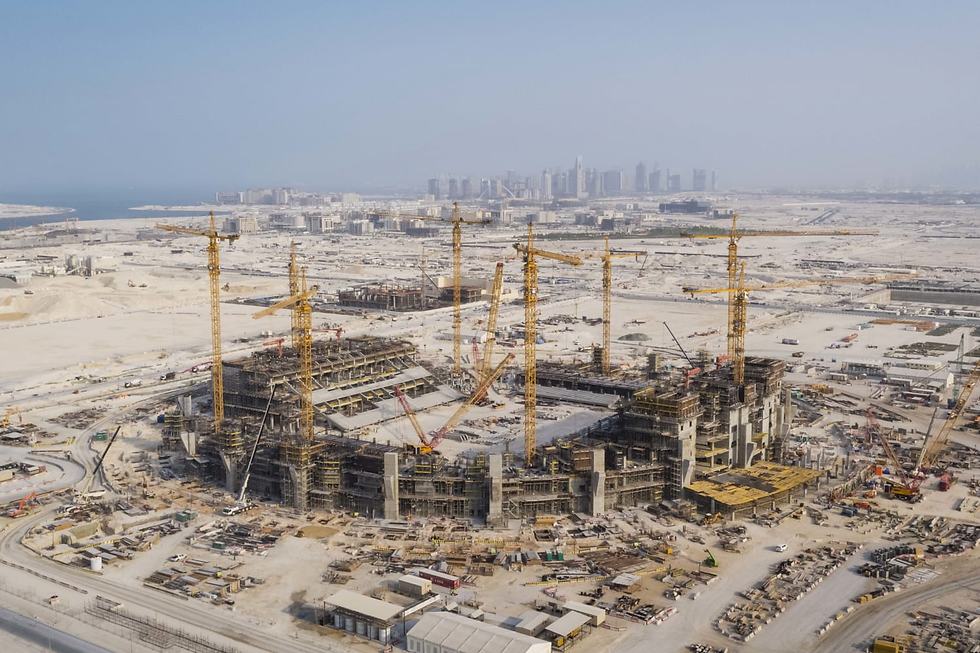
When a city announces plans for a new sports stadium, the conversation typically revolves around economic development, job creation, and civic pride. What rarely makes headlines is the enormous environmental toll these projects exact on local ecosystems. From the moment ground breaks to the final seat installation, stadium construction represents one of the most resource-intensive building projects a community can undertake. These modern colosseums consume staggering quantities of steel, concrete, and energy while displacing wildlife, altering drainage patterns, and generating mountains of waste that will outlast the memories of even the most legendary games played within their walls.
As climate change accelerates and ecological pressures mount, the future of sports infrastructure stands at a crossroads. The traditional model of building massive permanent structures that operate for a few hours weekly while consuming resources at industrial scales appears increasingly untenable. Yet sports occupy a cherished place in our culture, bringing communities together and creating shared experiences that enrich civic life. The challenge facing cities, teams, and fans is reimagining how we build and operate venues to preserve what we love about sports while aligning with the urgent imperative of environmental sustainability. This final transformation will require creative thinking, policy courage, and a willingness to question assumptions that have guided stadium development for generations.
Adaptive reuse and renovation of existing facilities offer perhaps the most environmentally sound path forward. Building new stadiums represents enormous embodied carbon and resource consumption, while countless older venues sit abandoned or underutilized. Renovating and updating these structures avoids the environmental cost of new construction while preserving architectural heritage and maintaining community connections to beloved venues. Wrigley Field and Fenway Park demonstrate that historic stadiums can be continuously updated with modern amenities without demolition and replacement. Recent renovations have added solar panels, upgraded insulation, installed efficient mechanical systems, and improved accessibility while maintaining the character that makes these venues special. When cities prioritize renovation over replacement, they honor environmental stewardship alongside tradition. The challenge lies in overcoming the financial incentives that often favor new construction, which generates more revenue for developers and offers teams opportunities to extract public subsidies.
Temporary and modular stadium designs present intriguing possibilities for reducing environmental impacts, particularly for events that don't justify permanent infrastructure. The Olympic Games have demonstrated both the problem and potential solution, as host cities have historically built expensive venues that become "white elephants" after the games conclude. Recent Olympics have experimented with temporary structures and repurposing of existing facilities, dramatically reducing construction impacts. Qatar's World Cup included one stadium designed for partial disassembly after the tournament, with seating to be donated to countries developing their soccer infrastructure. Modular designs allow components to be manufactured off-site with better quality control and less waste, then assembled efficiently at the venue location. While implementing this approach for year-round professional sports facilities presents challenges, the concept merits exploration for communities hosting occasional major events that don't warrant permanent stadiums.
Transportation infrastructure and fan behavior represent critical levers for reducing operational impacts that require more attention. Even the greenest stadium generates enormous carbon emissions if tens of thousands of fans drive individual cars to every game. Cities must prioritize robust public transit connections, creating genuine alternatives to driving. Amsterdam's Johan Cruyff Arena is accessible by metro, train, and bus, with limited parking to discourage car use. Some teams offer free or discounted transit passes with tickets, making the sustainable choice the convenient choice. Protected bike lanes and secure bicycle parking can capture short-distance trips. For longer distances, organized bus programs from suburban park-and-ride facilities can move many people efficiently. Carbon offset programs allowing fans to compensate for travel emissions, while imperfect, demonstrate institutional recognition that transportation impacts matter. The most profound change may require scheduling adjustments, as spreading games across more days and times could reduce traffic concentration and allow better transit utilization.


Comments