The Grid That Wasn't Built for This: Infrastructure as the Hidden Bottleneck of Clean Energy

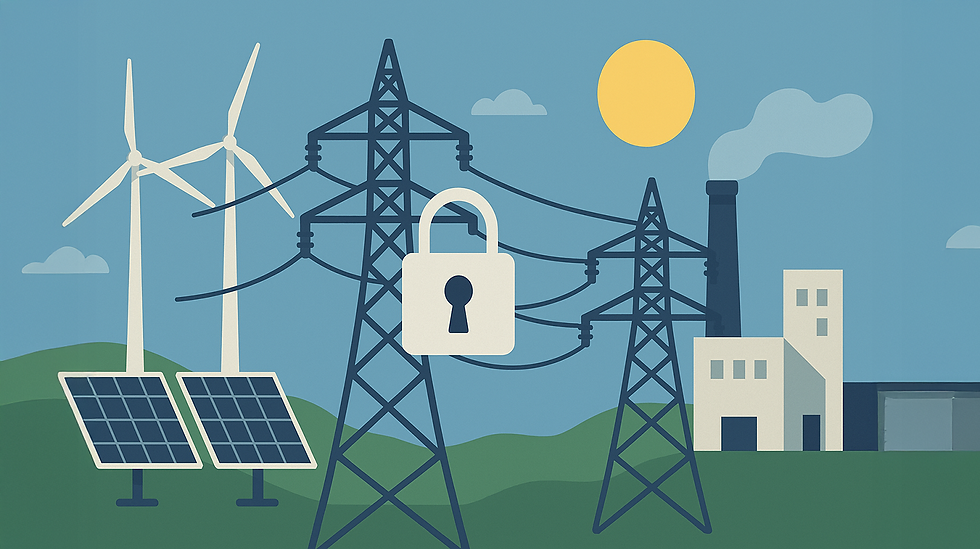
Renewable energy has won the economic argument. Solar and wind are now the cheapest sources of new electricity generation in most of the world. Yet despite plummeting costs and ambitious installation targets, these technologies face a less glamorous obstacle: the electrical grid was designed for a completely different energy system, and upgrading it is proving far more difficult than building renewable capacity itself. The bottleneck isn't generation—it's the aging, inadequate infrastructure that must deliver that power to homes and businesses.
The fundamental challenge is that renewable energy behaves nothing like the coal and natural gas plants the grid was designed around. Fossil fuel plants provide stable, dispatchable power that can be ramped up or down on demand. Solar and wind are intermittent—they generate electricity when nature provides, not necessarily when demand peaks. This creates enormous grid management challenges. A sunny afternoon might flood the grid with excess solar power while demand is moderate, then production crashes precisely when people come home and turn on appliances at dusk. Wind generation can swing wildly within hours as weather systems move through. Without massive infrastructure upgrades, grids simply cannot absorb high percentages of variable renewable energy without risking blackouts or wasting clean power by curtailing generation.
Grid infrastructure in much of the developed world dates back 50-70 years and is literally crumbling. In the United States, 70% of transmission lines and power transformers are over 25 years old, well past their expected lifespan. The American Society of Civil Engineers gives U.S. energy infrastructure a C- grade. Europe faces similar aging infrastructure, with many substations and transmission lines built in the 1960s-70s boom. This equipment wasn't designed for two-way power flows (rooftop solar sending power back to the grid), rapid voltage fluctuations from variable renewables, or the increased loads from electric vehicle charging. Utilities are trying to run 21st-century energy systems on mid-20th-century hardware, and the strain is showing in increased outages and grid instability.
Building new transmission infrastructure faces political and practical obstacles that dwarf the challenges of installing solar panels or wind turbines. A new high-voltage transmission line requires years of permitting, navigating a labyrinth of local, state, and federal regulations, plus inevitable NIMBY opposition from every community the line traverses. In the United States, interstate transmission projects must coordinate among multiple state regulatory bodies with conflicting incentives and no federal authority to override local opposition. The Plains & Eastern Clean Line, a proposed transmission line to carry Oklahoma wind power to the Southeast, spent seven years and $100 million on development before being abandoned due to regulatory obstacles. Similar stories repeat across regions where the best renewable resources (offshore wind, desert solar, plains wind) are far from population centers that need the power.
The investment required is staggering and the return on investment timeline doesn't appeal to private capital. The International Energy Agency estimates that achieving climate goals requires $820 billion annually in global grid investment through 2030—more than double current spending levels. In the United States alone, building the transmission capacity needed for 80% clean electricity by 2030 would cost $350-700 billion. These are multi-decade investments with regulated returns capped by public utility commissions, making them unattractive compared to faster-payback opportunities. Utilities operate on 3-5% profit margins and struggle to finance such massive upgrades without dramatic rate increases that politicians and customers refuse to accept. The result is chronic underinvestment, with infrastructure deteriorating faster than it's replaced.
The grid modernization challenge exposes the limits of market-driven climate solutions. While renewable generation became competitive through technological innovation and economies of scale, grid infrastructure is fundamentally a natural monopoly requiring coordinated public investment and planning. No amount of entrepreneurial innovation will solve the political problem of siting transmission lines or the financial problem of funding unglamorous infrastructure with 40-year payback periods. Nations that have made progress—China installing ultra-high-voltage transmission, Denmark coordinating regional grid planning—did so through centralized state capacity and long-term planning that prioritized system integration over short-term costs. The energy transition will ultimately be limited not by our ability to generate clean power, but by our political will to rebuild the unsexy, expensive, indispensable infrastructure that makes that power useful. Without solving the grid bottleneck, renewable energy remains a theoretical solution trapped by physical reality.

Comments