When Winter Disappears: Climate Change Disrupting Seasonal Patterns in the Northern Hemisphere


For millennia, the rhythm of seasons has provided the fundamental heartbeat of life in the Northern Hemisphere. Spring's awakening, summer's abundance, autumn's harvest, and winter's rest have shaped everything from agricultural practices to cultural traditions. Yet this ancient rhythm is now stuttering and skipping beats as climate change fundamentally alters seasonal patterns across North America, Europe, and northern Asia. What we're witnessing isn't just warmer weather—it's the disruption of seasonal timing that has governed natural systems for thousands of years, with consequences that ripple through ecosystems, agriculture, and human societies.
The most visible sign of seasonal disruption is the steady retreat of winter across much of the Northern Hemisphere. Average winter temperatures have risen faster than any other season, with some regions experiencing warming of 3-5°C over the past century. This warming manifests in dramatically shorter snow seasons, with many areas losing 5-10 days of snow cover per decade. The Northeastern United States, once reliably blanketed in snow from December through March, now frequently experiences "snow droughts" and rain events in the middle of winter. European ski resorts that operated reliably for generations now struggle with shortened seasons and artificial snowmaking demands that strain local water resources. The cultural and economic implications are profound—entire industries built around winter recreation face fundamental challenges as their foundational resource becomes increasingly unreliable.
Spring's early arrival represents perhaps the most measurable aspect of seasonal change, with scientists documenting a trend called "phenological shift"—the advancing of seasonal biological events. Across the Northern Hemisphere, spring now arrives 1-3 weeks earlier than it did just 50 years ago. Cherry blossoms bloom earlier in Washington D.C. and Japan, maple trees leaf out sooner across New England, and migratory birds return to breeding grounds weeks ahead of historical schedules. While earlier springs might seem pleasant, they create cascading disruptions throughout ecosystems. Plants that evolved to flower after the last frost now face increased risk of freeze damage. Pollinators like bees and butterflies may emerge before or after their preferred flowers bloom, creating mismatches that threaten both plant reproduction and pollinator survival.
The Arctic provides the most dramatic example of seasonal disruption, where winter temperatures now regularly rise above freezing and rain falls instead of snow. The polar vortex—the band of cold air that traditionally kept Arctic conditions contained—has become increasingly unstable, sending frigid air masses southward while allowing warm air to penetrate far north. This phenomenon explains the seemingly contradictory occurrence of severe cold snaps in temperate regions even as the Arctic experiences unprecedented warming. The weakening polar vortex has made weather patterns more erratic and extreme, contributing to the "weather whiplash" that has become characteristic of Northern Hemisphere climate.
Agricultural systems across the temperate zones face fundamental challenges as seasonal predictability erodes. Fruit orchards that depend on consistent winter chilling hours—periods of cold temperature necessary for proper fruit development—are struggling as winters become too warm. Apple and cherry orchards in regions like Michigan and Washington state report declining yields as inadequate winter cooling disrupts flowering and fruit set. Conversely, earlier springs create pressure to begin planting and field work sooner, but the increased risk of late frost events can devastate crops that break dormancy too early. Wine regions face particular challenges as traditional grape varieties become mismatched with changing seasonal patterns, forcing vintners to consider relocating or switching to different grape types entirely.
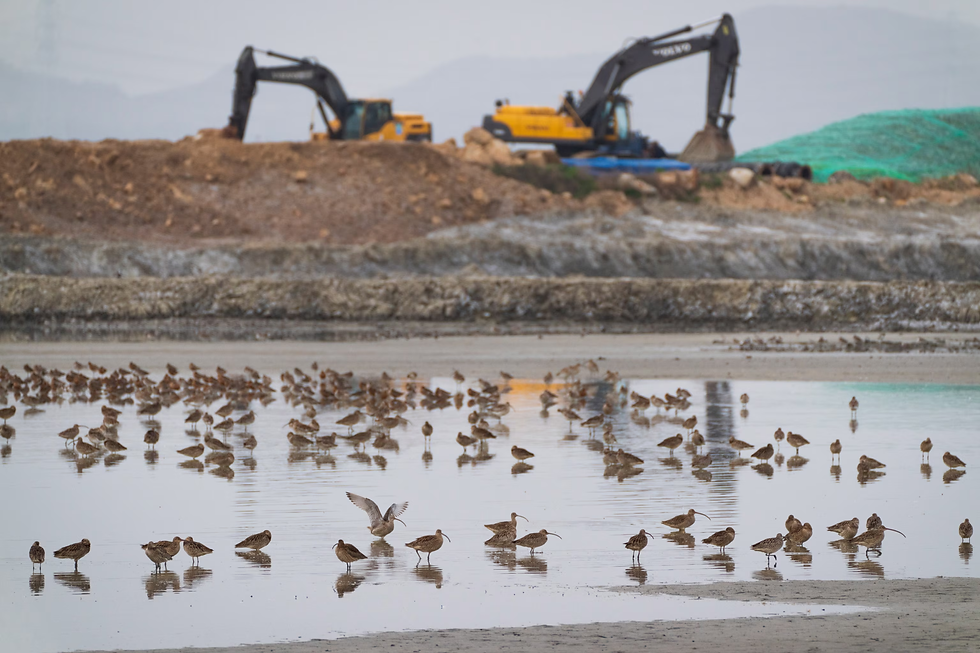
Wildlife populations across the Northern Hemisphere are experiencing unprecedented disruption as seasonal cues they've relied on for millions of years become unreliable. Migratory birds that navigate using day length and temperature cues arrive at breeding grounds to find their timing mismatched with peak food availability. Arctic terns, which migrate from Arctic to Antarctic and back annually, face challenges as their traditional feeding and breeding areas experience rapid environmental changes. Caribou and reindeer populations struggle with increasingly unpredictable winter conditions—ice crusting from winter rain events can make traditional food sources inaccessible, leading to population crashes. Even hibernating animals like bears face disruption as warmer winters cause them to wake prematurely, burning crucial fat reserves when food isn't yet available.
The disruption of seasonal patterns also affects human health and well-being in subtle but significant ways. Traditional seasonal rhythms have influenced human physiology, mental health, and social patterns for millennia. The increasingly erratic transition between seasons contributes to seasonal affective disorder and disrupts circadian rhythms that depend on predictable daylight patterns. Allergy seasons now start earlier and last longer as plants respond to changing temperature cues, creating extended periods of pollen exposure. The unpredictability of seasonal weather makes it harder for people to adapt their clothing, heating, and activity patterns, contributing to increased stress and health challenges.
Perhaps most concerning is the speed at which these changes are occurring. While climate has always varied naturally, the current rate of seasonal change is unprecedented in human history. Ecosystems and species that might adapt to gradual change over centuries are instead facing rapid shifts within decades. The result is widespread ecological disruption as the intricate timing relationships that bind ecosystems together—predator-prey cycles, pollinator-plant relationships, and food web dependencies—become increasingly misaligned.
The transformation of Northern Hemisphere seasons represents one of the most tangible ways that climate change affects daily life. Unlike abstract concepts like global average temperatures or ice sheet dynamics, seasonal changes are visible in our backyards, affect our food systems, and disrupt cultural traditions that connect us to natural cycles. As we'll explore in the next part of this series, the impacts of climate change on seasonal patterns extend far beyond the temperate zones, fundamentally altering monsoon patterns, dry seasons, and ecological rhythms across the tropics and Southern Hemisphere in ways that affect billions of people worldwide.


Comments