Asia: Rapid Growth and the Ecological Price of Progress


Asia is home to more than half the world's population, and its extraordinary economic ascent over the past five decades has come with an equally extraordinary ecological cost. From the smog-choked skies of Delhi to the deforested hillsides of Borneo, the human footprint across the continent is vast, varied, and in many places deeply entrenched. The pressures of feeding billions, powering booming cities, and competing in global markets have pushed Asian ecosystems to — and in many cases beyond — their limits.
Industrial agriculture is one of the continent's most significant ecological drivers. Across South and Southeast Asia, ancient forests have been cleared to make way for palm oil plantations, rice paddies, and soybean fields. Indonesia has lost millions of hectares of tropical rainforest — some of the most biodiverse on Earth — to agricultural expansion. The burning of peat forests to clear land releases enormous quantities of carbon dioxide and chokes neighboring countries with toxic haze, turning what was once a biological treasure into an environmental crisis that crosses borders.
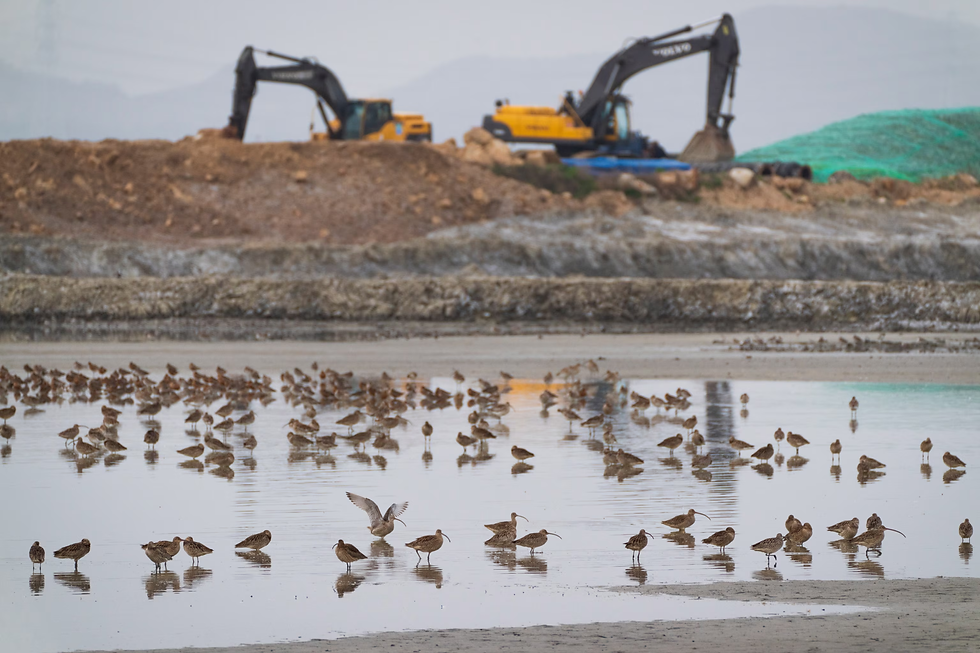
Rapid urbanization compounds these pressures. China alone has built hundreds of new cities in the past three decades, paving over wetlands, floodplains, and farmland at a pace unprecedented in human history. In India, the unchecked expansion of metropolitan areas like Mumbai and Bangalore has swallowed surrounding ecosystems, pushing wildlife into ever-shrinking corridors. The construction of roads, dams, and industrial zones fragments habitats, isolates animal populations, and disrupts migratory routes that species have followed for millennia.
Asia's rivers tell a particularly grim story. The Mekong, the Yangtze, the Ganges — rivers that have sustained civilizations for thousands of years — are under severe stress from pollution, over-extraction, and damming. China's cascade of hydroelectric dams on the upper Mekong has dramatically altered water flow into downstream nations, threatening the livelihoods of tens of millions of people who depend on the river's seasonal rhythms for fish and agriculture. Plastic waste, industrial discharge, and agricultural runoff have turned many waterways into toxic corridors where aquatic life struggles to survive.
Wildlife in Asia has felt the full weight of human expansion. The Asian elephant, the tiger, the snow leopard, and hundreds of lesser-known species are all in retreat, their ranges shrinking as human settlement advances. Poaching for traditional medicine and the exotic pet trade adds a direct lethal pressure on top of habitat loss. Some species are adapting — urban macaques in Southeast Asia have become expert at raiding markets and navigating city infrastructure — but adaptation has limits, and it cannot compensate for the wholesale destruction of ecosystems.
There are, however, genuine grounds for cautious optimism. India's ambitious solar energy expansion aims to reduce dependence on coal and cut carbon emissions substantially. China, despite its industrial legacy, has become the world's largest investor in renewable energy and has pledged carbon neutrality by 2060. Japan is navigating a difficult post-nuclear energy transition, but its culture of meticulous resource management offers models worth learning from. Singapore has demonstrated that a densely populated, highly developed city-state can integrate green infrastructure into its urban fabric in meaningful ways.
The challenge for Asia is scale. Policy ambition must be matched by implementation on the ground, where economic incentives still heavily favor extraction over conservation. Community-based conservation programs, indigenous land rights protections, and regional environmental agreements will all be essential tools. Asia's ecological fate will be shaped by the choices made in its boardrooms, legislatures, and farms over the next two decades — and those choices will reverberate far beyond its borders.


Comments