Climate Action and Renewable Energy


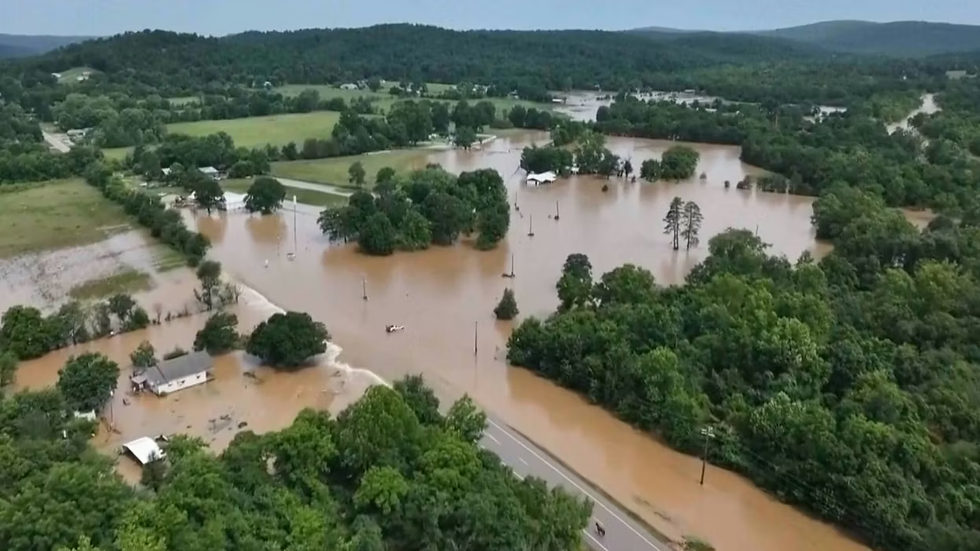
The landscape of global sustainability has undergone remarkable transformation over the past few years, driven by urgent climate imperatives and technological breakthroughs. As nations grapple with the accelerating impacts of climate change, from devastating wildfires to unprecedented flooding, the response has been equally dramatic. International cooperation, corporate commitments, and grassroots movements have converged to create momentum that would have seemed impossible just a decade ago. This first part of our series examines the pivotal developments in climate action and renewable energy that are reshaping our global approach to environmental stewardship.
The renewable energy revolution has reached a tipping point that few experts predicted would arrive so quickly. Solar and wind power have become the cheapest sources of new electricity generation in most of the world, fundamentally altering the economics of energy production. Investment in renewable energy has consistently outpaced fossil fuel investment, with solar installations alone adding record-breaking capacity year after year. This shift isn't merely about environmental responsibility anymore; it's driven by hard economics. Battery storage technology has advanced rapidly, addressing the intermittency challenges that once plagued renewables, while costs have plummeted by over 80% in the past decade. Countries like Denmark now generate more than half their electricity from wind, while nations across the Middle East and Africa are leveraging their abundant sunshine to become solar powerhouses.
Corporate climate commitments have evolved from public relations exercises to binding financial obligations. Major corporations representing trillions of dollars in market capitalization have pledged to reach net-zero emissions, with many setting interim targets for 2030. What makes these commitments more credible than past promises is the increasing integration of climate metrics into executive compensation, shareholder activism, and regulatory frameworks. The financial sector has responded by developing sophisticated tools to measure climate risk, with major banks and investors divesting from high-emission projects and redirecting capital toward sustainable alternatives. Green bonds and sustainability-linked loans have grown into a multi-trillion-dollar market, creating financial incentives for companies to achieve measurable environmental improvements.
The electrification of transportation represents perhaps the most visible sustainability transformation in daily life. Electric vehicle adoption has surged beyond early projections, with several countries now seeing EVs account for the majority of new car sales. Norway leads the pack with over 80% of new vehicles being electric, while China has emerged as both the largest EV market and manufacturing hub. This transition extends beyond passenger vehicles to buses, trucks, and even aviation, where electric and hydrogen-powered aircraft are moving from concept to reality. The infrastructure supporting this shift has expanded rapidly, with charging networks becoming ubiquitous in urban areas and battery technology improving to offer ranges that alleviate consumer anxiety. Major automakers have committed to phasing out internal combustion engines entirely within the next two decades, signaling an irreversible industry transformation.
International climate agreements have gained teeth through more robust accountability mechanisms and increased ambition. The Paris Agreement's ratchet mechanism has encouraged countries to strengthen their commitments progressively, with many nations submitting enhanced Nationally Determined Contributions. Regional initiatives have complemented global frameworks, with the European Union's Green Deal setting legally binding targets for climate neutrality and circular economy principles. Developing nations, historically resistant to binding emissions targets, have increasingly engaged in climate action as they experience severe impacts and recognize opportunities in green technology. Climate finance has grown substantially, though still falls short of the hundreds of billions needed annually to support developing countries in their transitions.
Nature-based solutions have gained recognition as critical components of climate strategy alongside technological fixes. Large-scale reforestation projects, mangrove restoration, and regenerative agriculture practices are being implemented worldwide, offering the dual benefits of carbon sequestration and ecosystem restoration. Countries like Costa Rica have demonstrated that economic development and forest conservation can advance together, with the nation having reversed deforestation while growing its economy. Indigenous land management practices are receiving overdue attention, with research confirming that Indigenous-managed forests store significantly more carbon and harbor greater biodiversity than other protected areas. These approaches acknowledge that addressing climate change requires working with nature rather than solely through industrial solutions.
The momentum behind global sustainability efforts, while encouraging, faces significant headwinds including geopolitical tensions, economic pressures, and the sheer scale of transformation required. Yet the convergence of technological readiness, economic incentives, and social pressure has created conditions where meaningful change is not just possible but actively underway. The developments in climate action and renewable energy represent a foundation upon which broader sustainability transformations must build, as we'll explore in the second part of this series focusing on circular economy innovations and ecosystem restoration efforts.


Comments