The 20-Year Gas: Why Methane Is the Fastest Climate Lever We Keep Ignoring

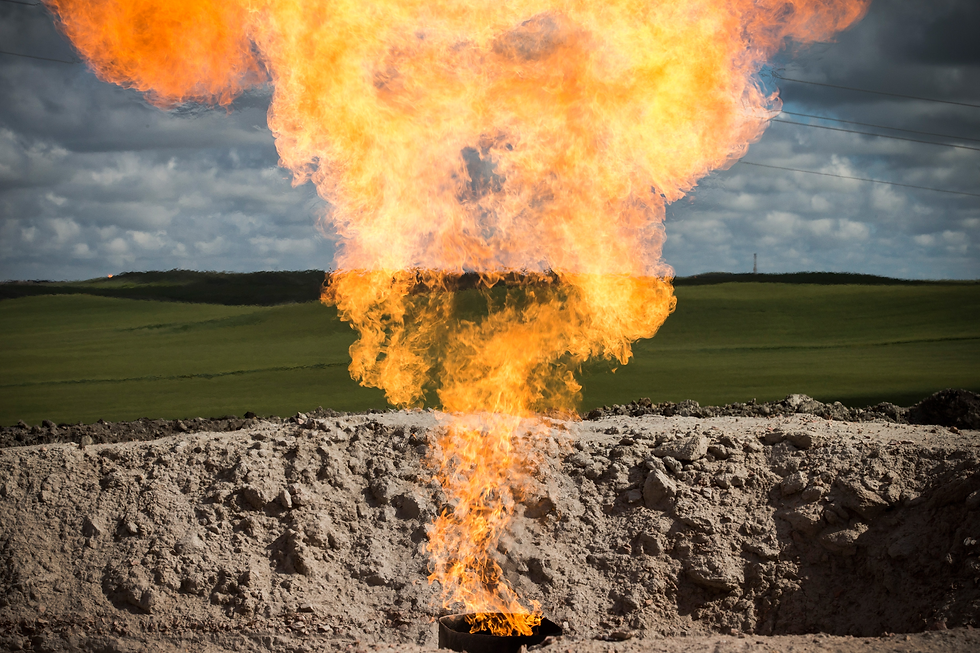
Climate conversations usually revolve around carbon dioxide, and for good reason. CO₂ lingers for centuries, and cutting it is the central task of decarbonization. But there is a second gas that behaves very differently, and its differences make it one of the best opportunities in climate policy. Methane is the second-largest cause of global warming. Molecule for molecule, it traps roughly 80 times as much heat as CO₂ over its first 20 years in the atmosphere. Unlike CO₂, it breaks down within about a decade. That short life is the key point. Cut CO₂ today and the payoff comes over generations. Cut methane today and the atmosphere responds within years.
Methane comes from three main sources. Agriculture is one: cattle digestion and flooded rice paddies. Waste is another: landfills, where buried food and organic matter rot without oxygen. The third is energy. Oil, natural gas, coal, and bioenergy together account for around 40% of human-caused methane emissions, and the energy sector has some of the best opportunities to cut them. Much of that energy-sector methane isn't burned. It escapes. Gas leaks from aging pipelines, valves, and compressors, or is deliberately vented and flared at wells, especially where there is no infrastructure to bring it to market.
What makes the problem frustrating is how cheaply much of it could be fixed. According to the International Energy Agency's 2026 Global Methane Tracker, about 70% of fossil-fuel methane emissions, nearly 85 million tonnes, could be eliminated with technology that already exists, including three-quarters of oil and gas emissions and about half of coal emissions. More striking still, at average 2025 energy prices, more than 35 million tonnes could be avoided at no net cost. The reason is that the capital and operating costs of abatement are lower than the market value of the gas that gets captured and sold. The fixes are not exotic. They include leak detection and repair programs, swapping methane-emitting pumps for electric ones, installing vapor-recovery units to capture vented gas, and putting associated gas to use, for example by burning it in microturbines to generate power.
If the fixes pay for themselves, why aren't they happening? One reason is that methane has long been nearly invisible: odorless, colorless, and badly measured. For years, emissions were estimated from equipment counts and engineering assumptions rather than direct observation. That is changing. The IEA's latest estimates now draw on data from satellites and measurement campaigns, and satellite surveys have repeatedly found "super-emitters": single sites leaking enormous plumes that ground-level reporting missed. Another reason is that "no net cost" for the industry as a whole doesn't mean profitable for every operator. Some measures need large upfront capital, and in many places there's no route to bring captured gas to market without new infrastructure.
Political commitments have grown faster than real-world results. Methane-reduction commitments now cover more than half of global oil and gas production. The IEA's own assessment is blunt: in 2025 it found that pledges covered a large share of production but implementation remained weak. Meanwhile, methane emissions from the energy sector remain near record highs. One promising development is on the buyer side: several countries are working to create markets for fuels with near-zero methane intensity. That would let importers reward cleaner producers rather than relying on voluntary promises.
Methane also offers an argument that goes beyond climate. The IEA estimates that a global effort to cut oil and gas methane could make nearly 100 billion cubic meters of natural gas available each year, and ending non-emergency flaring could free up another 100 billion. In a world worried about energy security, leaking gas is wasted supply. That puts methane in a rare category where climate advocates, energy-security hawks, and the accountants at oil companies could all want the same outcome. Climate policy is usually a story of hard trade-offs. Methane is a case where many of the solutions are cheap, proven, and fast. The main thing missing is the will to require them.

Comments